
How to Find and Verify Udemy Coupon Codes That Actually Work
Hardly anyone pays full price on Udemy, and the platform counts on it. A course marked at a hundred dollars in the morning can drop to twelve by lunch, depending on the coupon tied to it. That swing is why a good Udemy coupon earns a few minutes of your time. Below, you will see where real codes come from, how to spot a dead one fast, and how to time your purchase so you pay the lowest honest price.
One habit protects you above all others: check a deal before you trust it. Careful shoppers use the same reflex when they read a seller's rating or scan the terms on a welcome bonus at a licensed platform like rollambia casino before signing up. A genuine bargain survives a second look. Pausing for ten seconds when a discount seems too good rarely costs you anything, and it often saves the day.
Why Udemy Prices Swing So Much From Day to Day
The price on a course page is rarely what people pay. Udemy runs promotions almost constantly, and instructors add their own coupons on top. One course can show three prices in a single week. It feels random until you see the machinery behind it. Once you know a discount is nearly always there, full price starts to look like a mistake rather than bad timing.
A few things move the number on any given day:
- Site-wide sales that push most courses into the $10–$15 range for a day or two
- Instructor coupons shared on their pages, newsletters, or social posts
- First-visit pricing aimed at new or logged-out visitors
- Regional pricing that shifts the baseline by country
- Seasonal events around holidays, New Year, and back-to-school weeks
"The list price on an online course is closer to a suggestion than a fact. The real number is whatever coupon happens to be live when you check out."

Where Real Udemy Coupons Actually Come From
A coupon udemy shoppers can trust usually has a clear source. The best codes come straight from the instructor, because they set the discount and know when it ends. When a teacher adds a new module or wants early sign-ups, they share a generous code through their mailing list or course updates. Quietly following two or three instructors in your field helps your budget more than any aggregator.
Other channels are worth knowing too. The table below ranks the common ones by how far you can trust them.
| Coupon source | Typical discount | How reliable |
|---|---|---|
| Instructor newsletter or page | 80–90% off | Very high |
| Udemy's own seasonal sale | 70–85% off | High |
| Reputable coupon aggregators | Varies | Medium |
| Random code-dump forums | Unknown | Low |
A udemy course coupon from a newsletter you signed up for sits in a different class from one scraped off an anonymous list. The first was meant for you. The second may have expired months ago.
Telling a Verified Coupon Code From a Dead One
Most frustration with a udemy online coupon comes from one thing: using a code that quietly died. Udemy coupons expire fast, often within days. A discount that no longer applies wastes your time, which makes it worse than no code at all. Reading the signals saves a lot of annoyance.
A code is probably still good when:
- The price updates in your cart the moment you apply it
- The source published it recently, with a visible date
- The offer names the exact course instead of promising "any course free"
- The discount sits in a believable range, not a 100%-off claim on a paid class
- The code works without pushing you through an unrelated sign-up wall first
"A coupon that sounds too generous usually is. The codes that quietly knock a course down to twelve dollars are the ones that actually clear at checkout."
Treat anything outside those signals with mild caution. If a coupon code for udemy offers a premium course for nothing and routes you through a sign-up wall first, close the tab.
The Habit of Checking Before You Commit
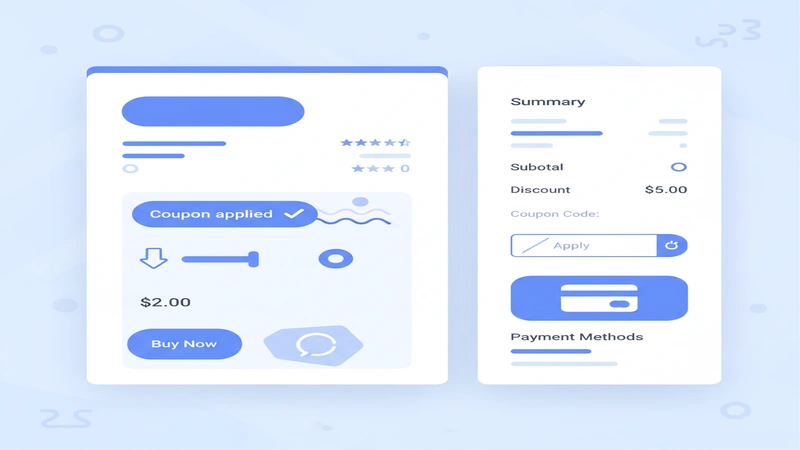
The instinct that helps you here works everywhere online: confirm before you commit. You watch a code clear in the cart before you celebrate. You check a seller's rating before you buy. You read the terms before you opt in. None of that is paranoia. It is the simple reflex of pausing when a deal looks unusually good, and it pays off across every site you use.
That pause matters most when a discount feels urgent. Countdown timers exist to stop you from checking. A real bargain, though, survives a second look. If a udemy coupon code is genuine, refreshing the page and re-reading the terms will not make it vanish.
Timing Your Purchase Around the Real Sales
If your course can wait, patience is the strongest discount of all. Udemy's biggest site-wide sales follow a fairly steady rhythm. Waiting a week or two for one of those windows often beats any single code you could chase today. The skill is spotting the real low point, not an everyday markdown dressed up as an event.
| Sale window | Rough timing | What to expect |
|---|---|---|
| New Year sale | Early January | Deepest discounts of the year |
| Spring learning push | March–April | Broad course coverage |
| Mid-year sale | June–July | Strong on popular topics |
| Back-to-school | August–September | Wide site-wide pricing |
During a live sale, a single udemy coupon stacked on the event price gets you close to the floor. Add courses to your wishlist ahead of time, so you are not scrambling to compare options once the clock starts. The calmest buyers already know what they want before the price drops.
Finding a working Udemy coupon is less about luck and more about knowing where to look and when to wait. Trust instructor codes, verify before you celebrate, and let the big seasonal sales carry the weight. A little patience turns a hundred-dollar course into a twelve-dollar one, and the same check-first habit keeps you steady everywhere else you shop.